Designing a Scalable Mobile Experience for Multi-Role Event Management
Project Overview :
This project focused on designing a mobile-first event management system that supports multiple user roles — participants, guardians, volunteers, and administrators — within a single application.
Each role interacts with the same events but with different permissions, responsibilities, and approval logic, making clarity, trust, and scalability critical to success.
Mobile (iOS & Android)
Timeline :
~4 months
Role :
Senior UI/UX Designer
Industry :
Product Manager, Engineering, QA
Problem Statement :
The system needed to support:
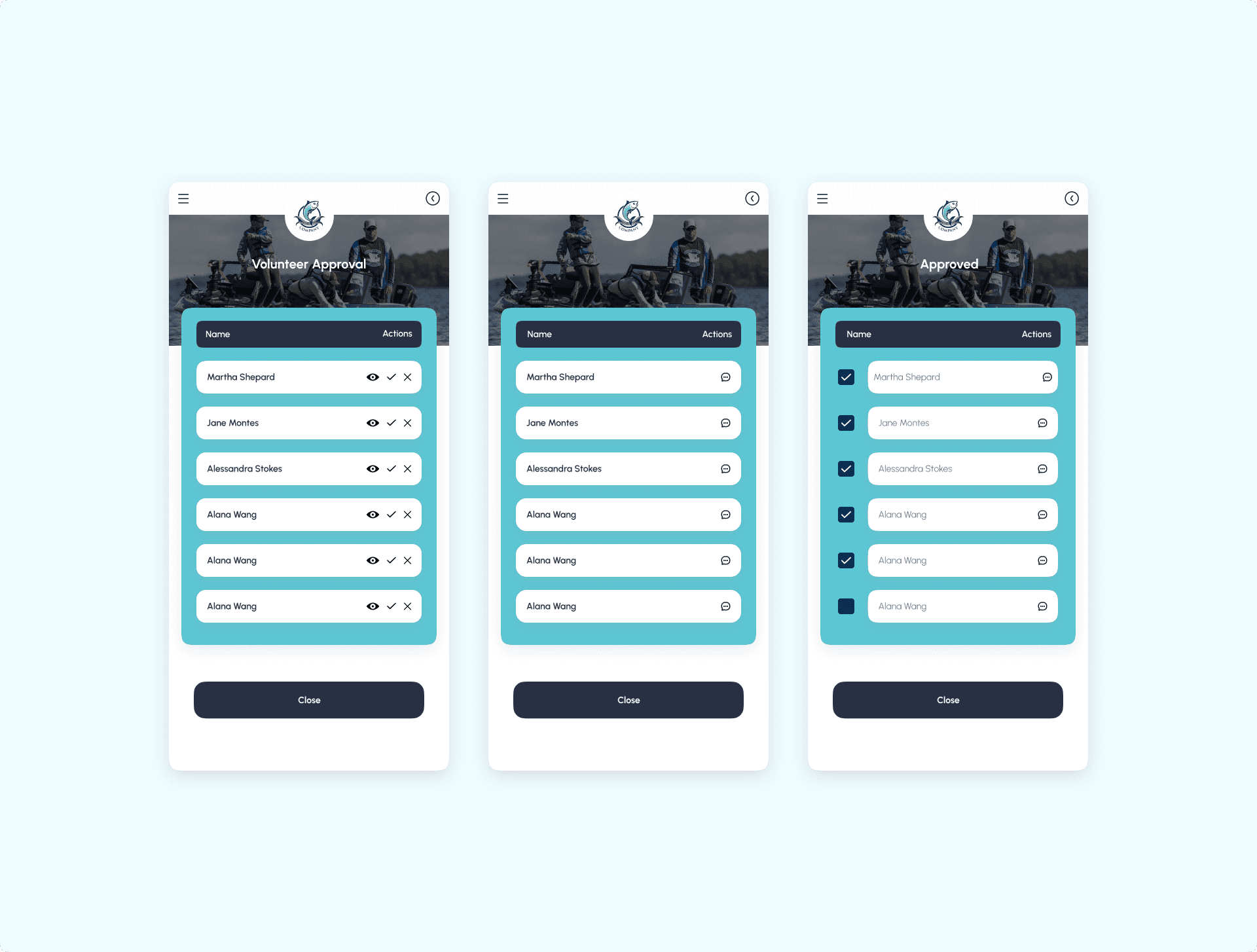
Role-based registration and approvals
Rule-driven eligibility logic
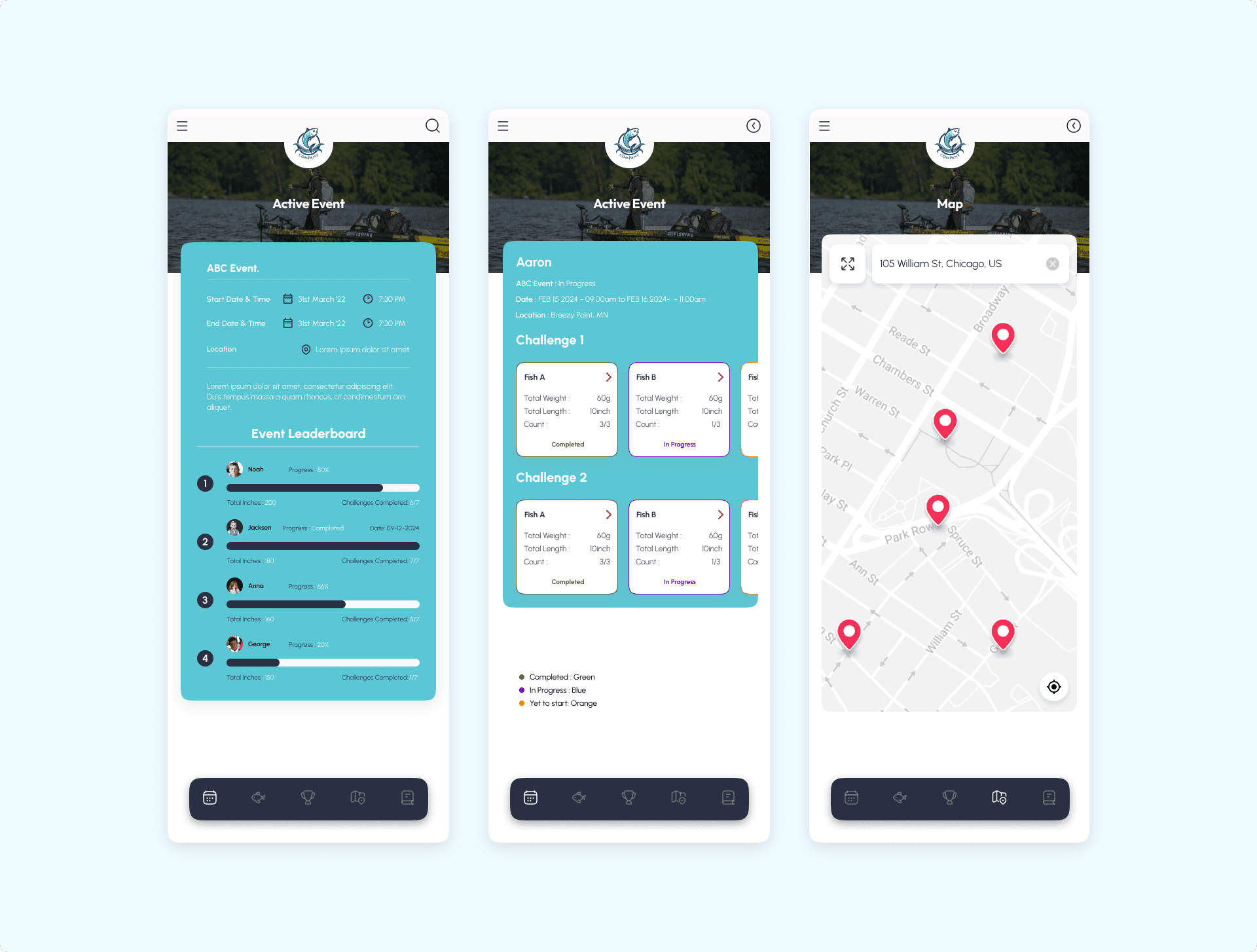
Status tracking across multiple stages
Privacy-sensitive personal data
The core challenge was managing complexity without overwhelming users, especially on small mobile screens. Backend rules could not be simplified, so the UX had to absorb the complexity.
Objectives, Constraints & Trade-offs :
Objectives :
Clear and intuitive mobile experience
Support multiple roles without duplicating UI
Always-visible status and progress clarity
Scalable UX for future features
Constraints :
Fixed scope and delivery timeline
Rule-heavy backend logic
Mobile screen limitations
Strict data visibility rules
My Role & Responsibilities :
I owned the end-to-end mobile UX, including:
Translating complex requirements into user flows
Defining role-based behaviors and edge cases
Designing high-fidelity mobile interfaces
Working closely with product and engineering
Ensuring scalability beyond the first release
Key UX Insights & Design Strategy :
Insights :
Users need constant clarity on current status and next action
Showing all rules upfront increases hesitation
Trust comes from transparency, not visual complexity
Strategy :
Progressive disclosure of complexity
Strong visual hierarchy for state and priority
Reusable components adapting by role
Clear separation of actions vs information
Design Execution :
The final mobile experience introduced:
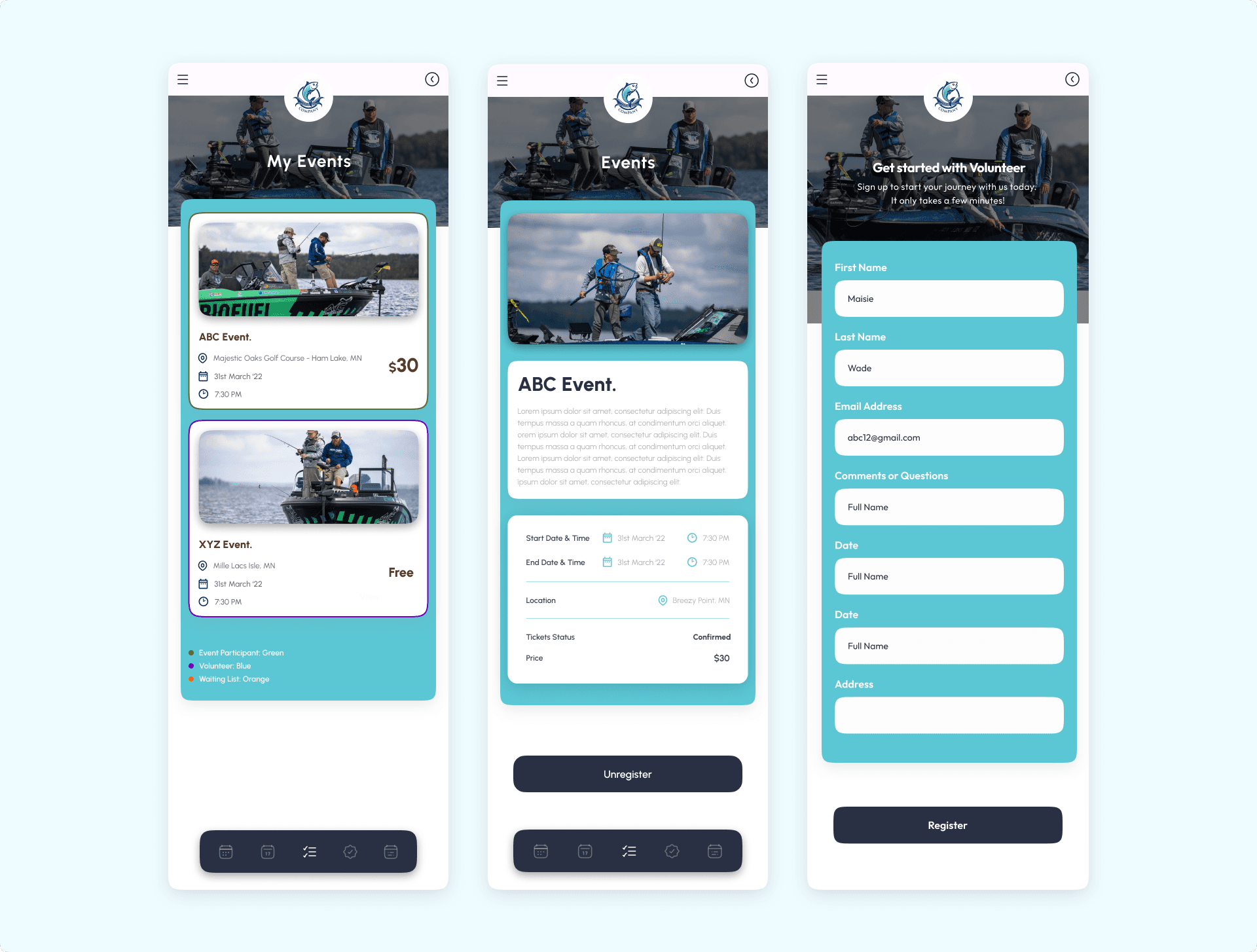
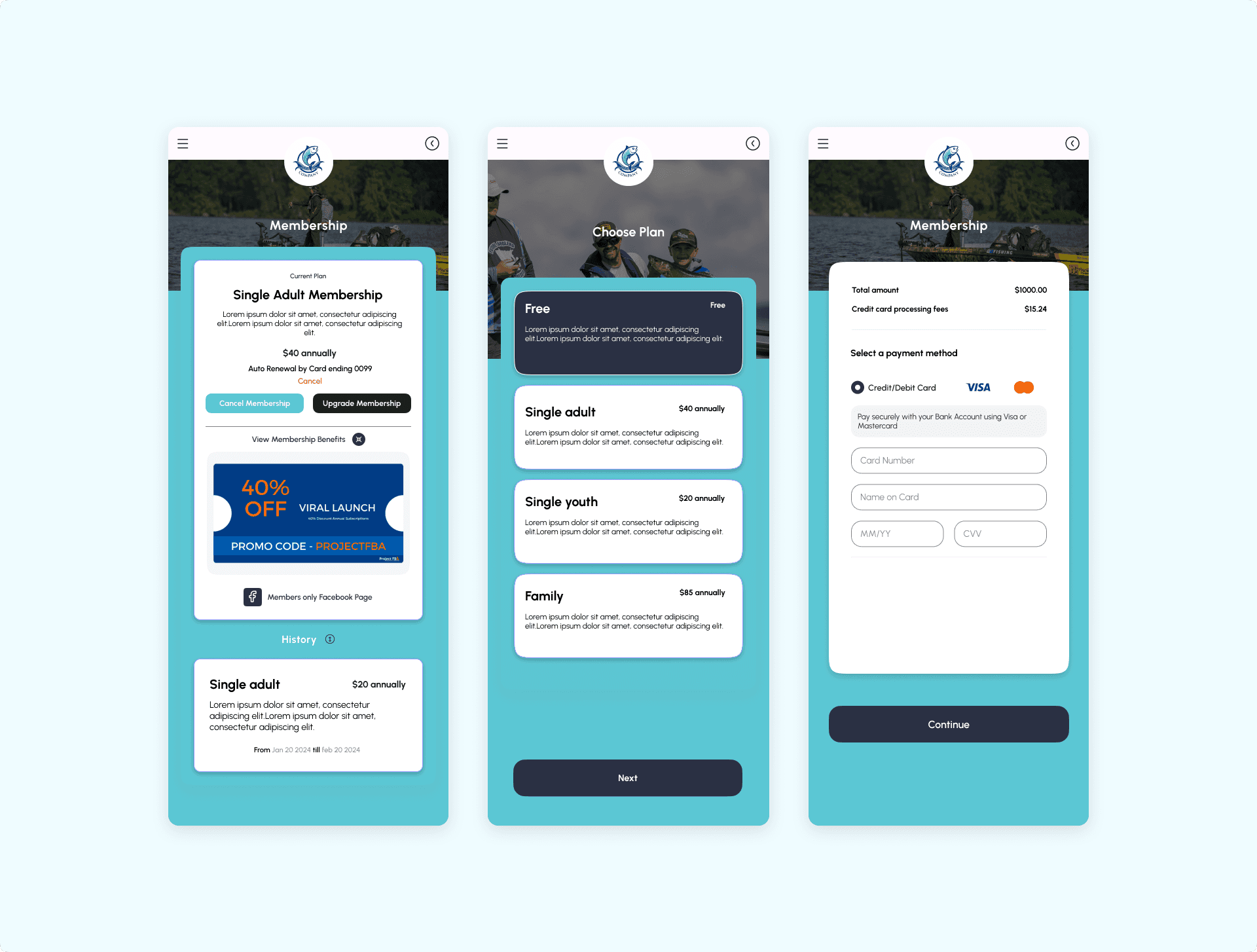
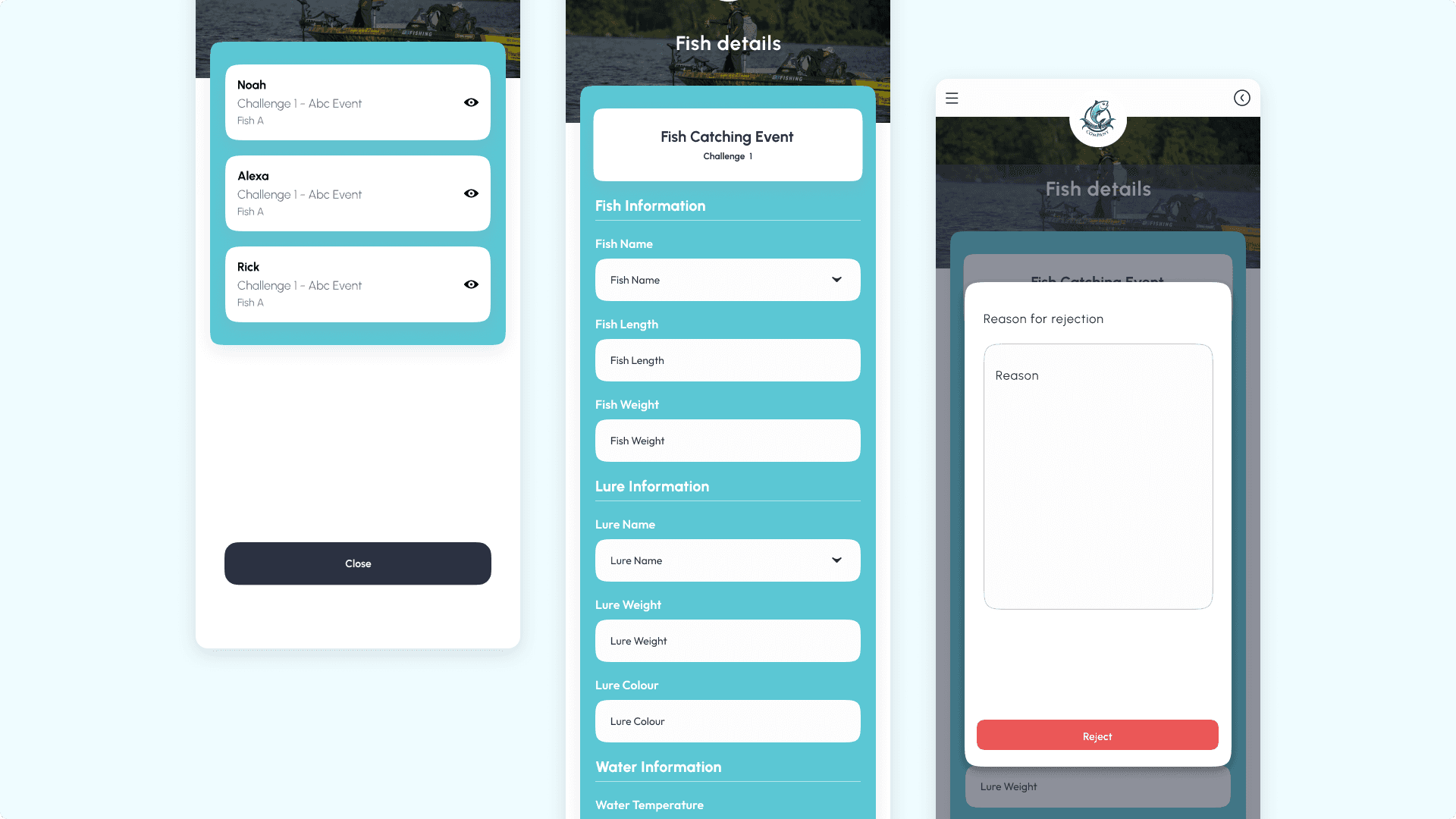
Card-based layouts showing status and next steps
Step-by-step submission and approval flows
Consistent progress indicators
Clear feedback for approvals, rejections, and errors
Impact & Learnings
Impact :
Reduced confusion in role-based workflows
Improved clarity around approvals and progress
Delivered a scalable foundation for future expansion
Learnings :
Clarity is a design decision. Complex systems succeed when UX prioritizes restraint and confidence over feature exposure.
Designing a Scalable Mobile Experience for Multi-Role Event Management
Project Overview :
This project focused on designing a mobile-first event management system that supports multiple user roles — participants, guardians, volunteers, and administrators — within a single application.
Each role interacts with the same events but with different permissions, responsibilities, and approval logic, making clarity, trust, and scalability critical to success.
Mobile (iOS & Android)
Timeline :
~4 months
Role :
Senior UI/UX Designer
Industry :
Product Manager, Engineering, QA
Problem Statement :
The system needed to support:
Role-based registration and approvals
Rule-driven eligibility logic
Status tracking across multiple stages
Privacy-sensitive personal data
The core challenge was managing complexity without overwhelming users, especially on small mobile screens. Backend rules could not be simplified, so the UX had to absorb the complexity.
Objectives, Constraints & Trade-offs :
Objectives :
Clear and intuitive mobile experience
Support multiple roles without duplicating UI
Always-visible status and progress clarity
Scalable UX for future features
Constraints :
Fixed scope and delivery timeline
Rule-heavy backend logic
Mobile screen limitations
Strict data visibility rules
My Role & Responsibilities :
I owned the end-to-end mobile UX, including:
Translating complex requirements into user flows
Defining role-based behaviors and edge cases
Designing high-fidelity mobile interfaces
Working closely with product and engineering
Ensuring scalability beyond the first release
Key UX Insights & Design Strategy :
Insights :
Users need constant clarity on current status and next action
Showing all rules upfront increases hesitation
Trust comes from transparency, not visual complexity
Strategy :
Progressive disclosure of complexity
Strong visual hierarchy for state and priority
Reusable components adapting by role
Clear separation of actions vs information
Design Execution :
The final mobile experience introduced:
Card-based layouts showing status and next steps
Step-by-step submission and approval flows
Consistent progress indicators
Clear feedback for approvals, rejections, and errors
Impact & Learnings
Impact :
Reduced confusion in role-based workflows
Improved clarity around approvals and progress
Delivered a scalable foundation for future expansion
Learnings :
Clarity is a design decision. Complex systems succeed when UX prioritizes restraint and confidence over feature exposure.
Designing a Scalable Mobile Experience for Multi-Role Event Management
Project Overview :
This project focused on designing a mobile-first event management system that supports multiple user roles — participants, guardians, volunteers, and administrators — within a single application.
Each role interacts with the same events but with different permissions, responsibilities, and approval logic, making clarity, trust, and scalability critical to success.
Mobile (iOS & Android)
Timeline :
~4 months
Role :
Senior UI/UX Designer
Industry :
Product Manager, Engineering, QA
Problem Statement :
The system needed to support:
Role-based registration and approvals
Rule-driven eligibility logic
Status tracking across multiple stages
Privacy-sensitive personal data
The core challenge was managing complexity without overwhelming users, especially on small mobile screens. Backend rules could not be simplified, so the UX had to absorb the complexity.
Objectives, Constraints & Trade-offs :
Objectives :
Clear and intuitive mobile experience
Support multiple roles without duplicating UI
Always-visible status and progress clarity
Scalable UX for future features
Constraints :
Fixed scope and delivery timeline
Rule-heavy backend logic
Mobile screen limitations
Strict data visibility rules
My Role & Responsibilities :
I owned the end-to-end mobile UX, including:
Translating complex requirements into user flows
Defining role-based behaviors and edge cases
Designing high-fidelity mobile interfaces
Working closely with product and engineering
Ensuring scalability beyond the first release
Key UX Insights & Design Strategy :
Insights :
Users need constant clarity on current status and next action
Showing all rules upfront increases hesitation
Trust comes from transparency, not visual complexity
Strategy :
Progressive disclosure of complexity
Strong visual hierarchy for state and priority
Reusable components adapting by role
Clear separation of actions vs information
Design Execution :
The final mobile experience introduced:
Card-based layouts showing status and next steps
Step-by-step submission and approval flows
Consistent progress indicators
Clear feedback for approvals, rejections, and errors
Impact & Learnings
Impact :
Reduced confusion in role-based workflows
Improved clarity around approvals and progress
Delivered a scalable foundation for future expansion
Learnings :
Clarity is a design decision. Complex systems succeed when UX prioritizes restraint and confidence over feature exposure.